







Search Results for: Hand-brewed Extraction

Seven Elements of Hand-Brewed Coffee | Is the correct English for hand-brewed coffee "Hand Drip" or "Pour Over coffee"? What are the brewing methods for hand-brewed coffee?
What is the English for pour-over coffee? If translated literally, it could be rendered as "Hand coffee," but that term is definitely incorrect. Next, expressions like "Hand punch" are also common mistranslations. The correct term should be "Pour over coffee." Now, pour-over [more…]
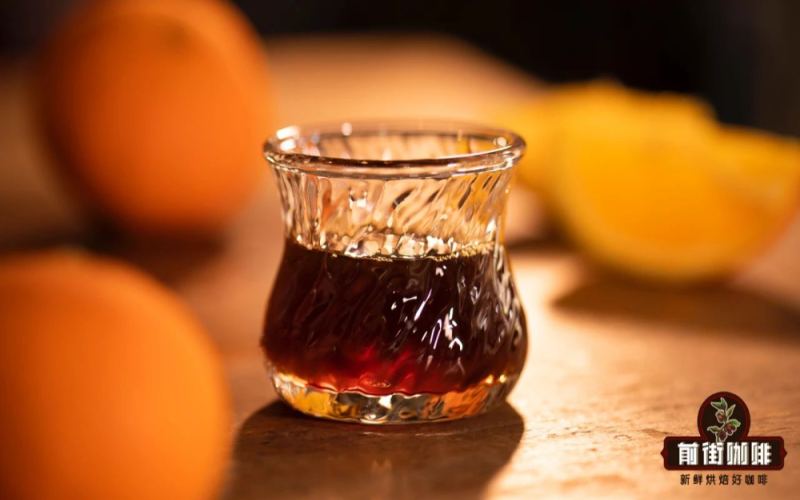
High-Value Specialty Hand-Brewed Coffee Beans | How to Brew Single-Origin Beans as Hand-Drip Black Coffee with High Sweetness? Where Does the Sweet Aroma of Hand-Brewed Coffee Beans Come From?
To some people, black coffee is bitter; to others, it's sour. But if you hear someone say, "Wow, this cup of coffee is so sweet!" you'd probably think to yourself, "How could black coffee possibly be sweet?" As Front Street has explained in the article analyzing the chemical composition of green coffee beans, the sucrose in green coffee beans, [more…]
Recommendations for Pour-Over Coffee Beans with Pronounced Sweetness and Rich Fruit Aroma: Balancing Budget and Drinking Frequency
From bean to cup, a coffee still has to go through grinding and extraction. When choosing hand-brewed coffee beans with pronounced sweetness and rich fruity aromas for everyday drinking, you need to consider how quickly you'll finish them, how much to buy at once, and whether your household mainly drinks black coffee or milk-based coffee. First confirm your usual brewing equipment and preferred taste, then compare specific beans, and put them to the test in practice. [more…]
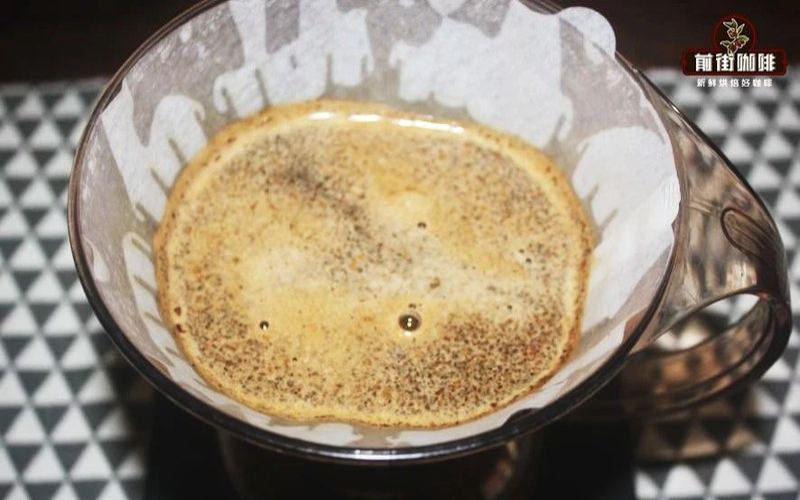
Pour-Over Single-Origin Coffee Recommendations: Balancing Budget and Drinking Frequency
From bean to cup, a coffee must still go through grinding and extraction. When it comes to hand-brewed single-origin coffee, your everyday bean buying needs to take into account how quickly you'll drink it, how much to buy at a time, and whether you mainly make black coffee or milk coffee at home. First confirm your usual equipment and preferred taste, then compare specific beans—your actual practice will have clearer direction. [more…]
A few recommended pour-over coffee beans with gentle acidity: balancing budget and drinking frequency
When it comes to hand-brewed coffee beans with a soft acidity, first consider how you'll be drinking them every day. For everyday bean purchases, you need to think about how quickly you'll go through them, how much to buy at once, and whether your household mainly drinks black coffee or milk coffee. If you mainly drink black coffee, you can pay more attention to aroma and aftertaste; if you often add milk, you need to consider whether the intensity and body can hold up. [more…]
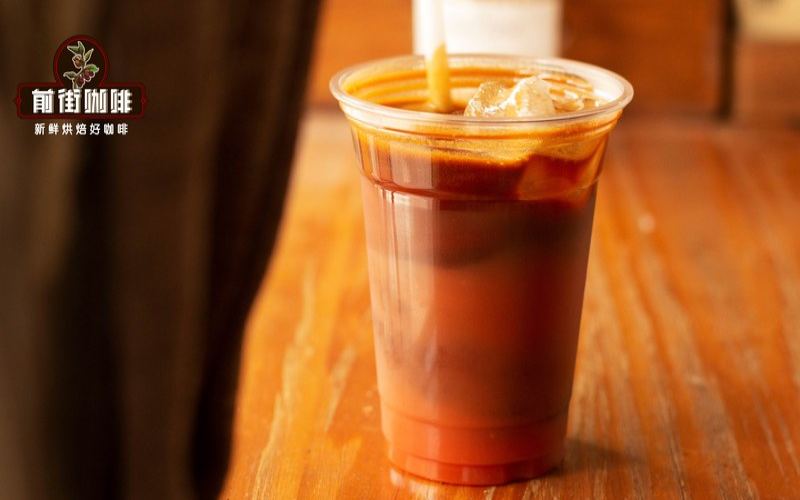
How to Choose Hand-Brewed Coffee Beans by Roast Level
The roast level of hand-brewed coffee beans determines where the flavors in the cup unfold. Light roasts make floral and fruity notes easier to perceive, medium roasts connect sweetness, acidity, and body, while dark roasts bring cocoa, nut, and roasted aromas. For ordinary consumers, choosing according to the flavors they like and how they usually drink coffee matters more than looking only at [more…]

Hand-brewed Blend Coffee Beans | Can Espresso Beans Be Used for Hand-brewed Coffee? How to Blend Single-Origin Beans for Hand-brewing? Hand-brewed Blend Bean Roasting Parameters and Flavor Introduction?
As autumn turns to winter and the weather gradually cools, Front Street Coffee created the Front Street Sunflower Warm Sun espresso blend, suited to espresso, quite some time ago. Following this line of thinking, Front Street also wanted to make a blended coffee bean suitable for autumn drinking and usable for pour-over coffee. Front Street Coffee (FrontStreet C [more…]

What Kind of Pour-Over Coffee Beans Should Beginners Buy: Balancing Budget and Drinking Frequency
For beginners buying hand-brewed coffee beans, it's suitable to build judgment gradually from taste experience. When buying beans for daily use, you need to consider how quickly you'll drink them, how much to buy at once, and whether you mainly make black coffee or milk coffee at home. Flavor words on the packaging can provide clues, but they cannot replace the actual drinking experience—whether the acidity is mellow and whether the sweetness lingers. [more…]
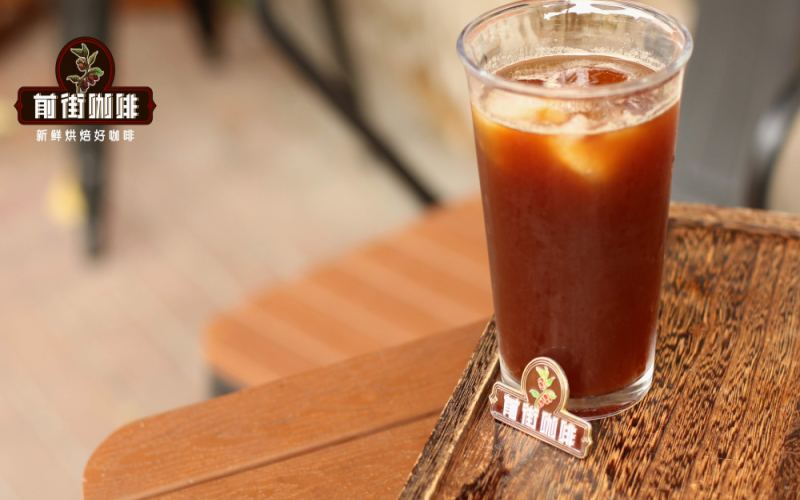
Cold Brew Coffee Specialty Bean Recommendations | What Is Cold Brew Coffee? The Extraction Principle Differences Between Cold Brew Coffee, Iced Americano, and Hand-Brewed Iced Coffee
For more specialty coffee knowledge, please follow our WeChat official account: Front Street Coffee (FrontStreet Coffee). Iced Americano and cold brew coffee can be said to be the two best-selling items in coffee shops during summer, but there is a very big difference in price—cold brew coffee is usually twice the price of an iced Americano! Similarly, [more…]
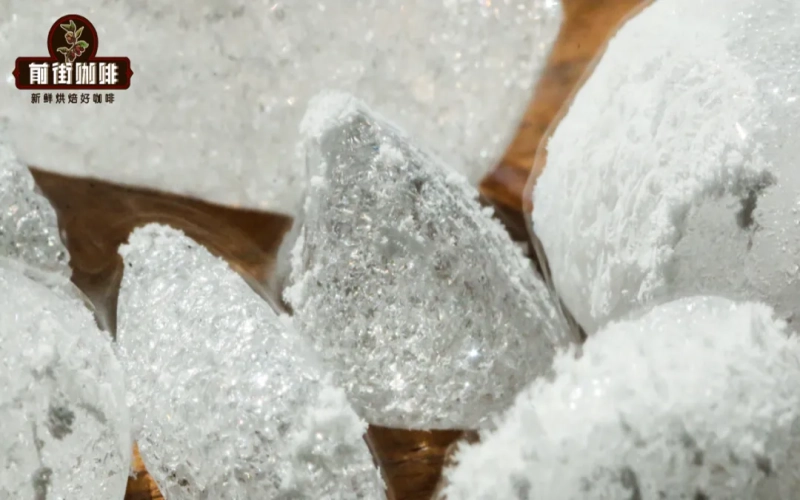
Is It Feasible to Use Dry Ice Instead of Ice Cubes for Iced Pour-Over? A Comprehensive Analysis of Cooling Methods for Pour-Over Coffee
Iced pour-over coffee needs rapid cooling, but ordinary ice cubes melt and dilute the coffee's strength. Some friends suggested using non-melting stainless steel ice cubes, but that attempt failed; then someone else recommended dry ice, which cools quickly and doesn't cause dilution. Dry ice can indeed chill coffee rapidly without turning into water, but when it sublimates it releases carbon dioxide, which dissolves into the coffee and turns a cup of iced pour-over into carbonated coffee—essentially deviating from what's wanted. This article provides a detailed analysis of dry ice's physical properties, its everyday uses, and why it's unsuitable for making pour-over coffee, along with Front Street Coffee's key points from their dry ice experiments and a recommended bean list. [more…]
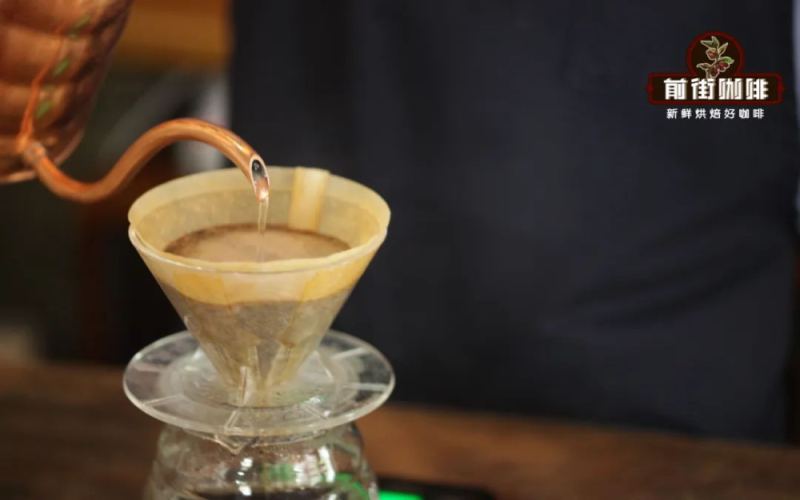
Analysis of the Differences Between Pulsed Pour-Over and One-Pour Method in Hand-Brewed Coffee: Extraction Time, Flushing Efficiency, and Suitable Bean Types
In pour-over coffee, the pouring method after blooming directly affects the final flavor. Is it the "one-pour" method, where all the water is poured at once, or is it divided into two or more stages? These two approaches differ significantly in extraction time, flushing efficiency, and controllability. Staged pouring extends the extraction window, making the release rhythm of sweet, sour, and bitter compounds more controllable, thereby enhancing the coffee's complexity. But more stages isn't necessarily better; in everyday brewing, two to three stages are most common, as they allow flexible adjustment and make it easier to hit the ideal extraction time. This article will compare in detail the differences between the one-pour method and staged pouring, and explain what kind of coffee beans are better suited to staged extraction. [more…]
Dark Roast Coffee Bean Brewing Tutorial | Will Dark Roast Coffee Beans Taste Bitter as Hand-Brewed Black Coffee? Which Cocoa-Flavored Dark Roast Specialty Coffee Beans Are Recommended?
Traditionally, to highlight a rich and full-bodied coffee flavor, roasters commonly use dark roasting. The increased roast level promotes more caramelization of substances, so dark-roasted coffee typically carries abundant notes of chocolate, spices, caramel, cocoa, maple syrup, and the like. In terms of aroma, dark-roasted coffee has a hint of chocolate. [more…]
How to Adjust Hand-Brewed Coffee Strength and Extraction Yield? A Detailed Explanation of How Coffee-to-Water Ratio Affects Flavor and Mouthfeel
Among the many variables in pour-over coffee, strength and extraction yield are the core indicators that directly determine whether a cup of coffee tastes good. The strength level affects the body and the intensity of flavor, while the coffee-to-water ratio is the key lever for adjusting strength. But changes in water volume also affect the extraction yield, making adjustment complicated. Starting from Front Street's brewing practice and using Huakui coffee as an example, this article explains clearly the relationship among coffee-to-water ratio, strength, and extraction yield, and offers specific ideas on how to simultaneously correct other parameters when making it stronger or weaker, helping you brew a pot that suits your taste more efficiently. [more…]

How Much Does the Speed of Circular Pouring in Hand-Brewed Coffee Actually Affect the Extracted Flavor?
Among the many variables in pour-over coffee, pouring technique is often overlooked by beginners, yet it has a significant impact on the final flavor. The speed of the circular pour is essentially equivalent to the amount of agitation applied to the coffee bed, so how much difference can it actually make to the taste of the coffee? Front Street conducted comparative experiments using washed Yirgacheffe and dark-roasted Golden Mandheling, measuring concentration and extraction yield and combining this with actual tasting to verify the effect of different pouring speeds on flavor. This article will present the parameters and results of both experiments in full, and further explore the role that agitation intensity plays when conditions such as grind size are changed. [more…]

Hand-brewed coffee variable-temperature brewing method: How different water temperatures affect flavor layers and extraction results
In the world of pour-over coffee, water temperature has never been a fixed parameter. At world-class brewing competitions, many competitors use variable-temperature brewing, precisely steering the flavor direction of the coffee by using different water temperatures at different stages. Front Street Coffee conducted a set of comparative experiments using the same Panama Elida Typica beans, brewing them with three approaches: constant temperature, high temperature in the early stage followed by a temperature drop in the later stage, and low temperature for blooming followed by high temperature in the later stage and then a temperature drop. They measured concentration and evaluated the flavor. The results showed that variable-temperature brewing can significantly change the acidity, sweetness, and aftertaste of the coffee. This article will walk you through the operating techniques, experimental data, and flavor differences of variable-temperature brewing, helping you control your pour-over parameters more flexibly. [more…]
How to Determine the Grind Size for Hand-Brewed Blue Mountain Coffee? A Detailed Guide to the Little Fuji Setting 4 Parameters and How to Identify Authentic Blue Mountain
Blue Mountain coffee is hailed as the benchmark of the coffee world, but many people are unclear about how fine the grind should be for pour-over, what water temperature to use, and how to pair it with different brewing devices. This article focuses on a 4-degree grind on the Little Fuji grinder, organizing everyday brewing parameters for drippers such as V60, Kalita, and KONO, while also adding extraction suggestions for French press, siphon, and AeroPress. The article will also clarify a common misconception: the large number of so-called "Blue Mountain flavor" and "Blue Mountain blend" coffees on the market actually have nothing to do with real Blue Mountain—they are simply blended beans that imitate the flavor. Finally, from four dimensions—appearance, grinding feel, aroma, and taste—it teaches you how to identify genuine versus fake Blue Mountain, and retains relevant recommendation information for Front Street Coffee Blue Mountain. [more…]

Hand-brewed single-origin vs. espresso coffee beans: key differences, common single-origin bean types, and how to choose
What exactly is the difference between single-origin coffee and espresso? This article sorts through everything from definitions and roasting logic to brewing methods, helping you understand the concepts of single origin and single variety, and grasp the different demands that pour-over and espresso place on coffee beans. It also uses specific products such as Front Street Coffee's Fruit Ding Ding, Huakui, Golden Mandheling, and Blue Mountain No. 1 to explain how to choose single-origin beans based on flavor preferences like floral aroma, fruity acidity, full body, and balance; at the same time, in light of the high-temperature, high-pressure extraction characteristics of espresso machines, it explains why medium-dark roast blends are better suited for consistent output, and offers purchasing suggestions such as Front Street Coffee's Classic Blend, Black Cocoa, Huakui SOE, and Strawberry Candy Espresso, making it easy for coffee lovers to switch up flavors as they please. [more…]
A Complete Analysis of Blue Mountain Coffee Beans: Varieties, Origins, and Brands—Does Blue Mountain No. 1 Have a Bitter Taste When Hand-Brewed?
Blue Mountain coffee has long been regarded as a gem of the coffee world, and its distinctive flavor profile and scarce yield have captivated countless coffee lovers. Authentic Blue Mountain coffee is refined from the finest green beans of Jamaica's Blue Mountain region, delivering a rich and balanced flavor with fruity notes and gentle acidity, plus a lingeringly memorable sweetness. Among these, Blue Mountain No. 1 Peaberry is the cream of the crop, selected from round beans grown at an elevation of 2,100 meters, plump and full. Blue Mountain coffee's caffeine content is extremely low, only about half that of ordinary coffee, which fits modern health-conscious thinking. This article provides a comprehensive introduction to Blue Mountain coffee's variety classifications, origin characteristics, brand recommendations, and flavor performance when brewed by pour-over, and answers the common question of whether Blue Mountain No. 1 pour-over tastes bitter. [more…]
Why Does Hand-Brewed Dark Roast Coffee Taste Bitter? A Comprehensive Analysis from Roasting Principles to Extraction Parameters
Today, on pourover coffee menus, acidic beans dominate the mainstream, yet a group of veteran enthusiasts remains steadfastly devoted to the bitter flavors of dark-roasted coffee. Where exactly does this bitterness come from? How does the degree of roast influence the flavor trajectory of coffee? The nutty aroma, rich body, and bittersweet finish unique to dark-roasted beans are an experience that light-roasted beans find hard to replicate. Of course, a delicious cup of dark-roasted coffee also depends on proper brewing methods. Starting from the principles of roasting, this article analyzes the unique charm of dark-roasted bitter coffee, and using Golden Mandheling as an example, shares key parameters such as water temperature, grind size, dripper selection, and pouring technique, helping you brew a gentle, smooth dark-roast pourover at home. [more…]
A Guide to Making Cold Brew Coffee at Home | What Are the Key Points in Making Cold Brew Coffee? Recommendations for High-Value Hand-Brewed Coffee Beans Suitable for Cold Brew
For more specialty coffee knowledge and sharing, please follow our WeChat official account: FrontStreet Coffee. Those who frequently read Front Street articles know that in addition to being extracted with hot water, coffee can also be made with cold water. Coffee made with cold water is called "cold brew coffee," [more…]